
If you want to do business in Saudi Arabia, you need more than a supplier. You need a partner who can help you establish your business, source your products, handle customs, and deliver to your customers. That is the role ProNexa plays as a consultant and trading partner.
This guide shows you how to choose a general trading company for your Saudi business. It uses plain language, and it focuses on the questions founders and buyers in Saudi Arabia, Dubai, the UK, the USA, and Pakistan actually ask before they start. ProNexa Integrated Services is based in Ad Diriyah, Saudi Arabia, and its General Trading division covers grocery items, fresh fruits, fresh vegetables, and car import and export. You can read the full service overview on the ProNexa General Trading page.
Quick answer: If you want to do business in Saudi Arabia, choose a general trading company that can help you establish your business as a consultant, not just sell you goods. ProNexa can help you set up legally, choose your trading lines, source quality products, handle customs documents, and arrange delivery. Check that the company is real and licensed for the work. Check that it can supply your quantity, on time, again and again. Check quality with samples and clear documents. Check cold chain for fresh goods and customs for cars. Check total landed cost and payment terms in writing before you commit.
How to Choose a General Trading Company for Your Saudi Business
Many people start by asking for a price. Price matters, but price alone tells you very little about whether a business will work in Saudi Arabia. Start with your business idea first, so you can judge a partner on the same basis.
What business do you want to establish in Saudi Arabia
Write down what you want to sell, who your customers will be, and where they are. Add how often you need supply, and where goods must arrive. A hotel in Dubai that needs daily fresh vegetables has a different business from a shop in Riyadh that needs a monthly grocery delivery. A fleet buyer who needs ten cars has a different business from a single buyer who needs one car.
Write your idea in one short paragraph, and share the same paragraph with each partner you shortlist. A good consultant can give you a useful answer only when it knows your product, your quantity, your customers, and your target date. A vague idea gets a vague answer, and a vague answer often hides extra costs later.
Decide if you need a consultant partner or want to do it alone
You can try to do everything alone. You can also work with a consultant partner who already knows the Saudi market, the licences, the suppliers, and the customs steps. A consultant partner helps when you want fewer risks and a clearer path to your first sale. Doing it alone can work when you already know the market, the suppliers, and the rules for your exact product.
Ask yourself one question. Do you want help to establish your business, or do you only want a supplier for one order? There is no single right answer. Your answer will shape the rest of this guide, because a general trading company that acts as your consultant should prove it can help at each step, from setup to delivery, not just at the sale.
Step 1: Set Up Your Business Legally in Saudi Arabia
This step comes before price, samples, or delivery promises. A business that is not set up legally cannot trade with confidence, open a business bank account in its own name, or build trust with commercial customers.
Licence, registration and address
Ask for the legal company name, the trade licence activity, the registered address, and a working phone number and email address on the company domain. Check that the name on the licence matches the name on the quotation, the invoice, and the bank account. If the names do not match, ask why, and get the answer in writing.
In Saudi Arabia, ask about commercial registration and the licences that apply to your activity. If you are entering Saudi Arabia for the first time, business setup in Saudi Arabia covers structures, jurisdictions, and requirements for a new business. Business incorporation in Saudi Arabia and the GCC covers company formation, licensing, and compliance setup. Do not accept a licence photo alone as proof. Check the issuing body, the licence number, the holder name, the activity covered, and the validity dates, and use the official channel where verification is available.
What ProNexa can help you set up
ProNexa can help you understand which setup route fits your business idea, which licences apply to your trading activity, and which documents you will need. The exact route, fees, and timeline vary by business type, activity, and case, so ask ProNexa to confirm them for your exact case in writing. Do not rely on a single fee or timeline you read online for a different business type.
Ask for two trade references from commercial buyers, and contact them directly. Ask what they order, how often, and whether deliveries arrive on time and in the agreed quality. One reference is better than none, but two references give you a clearer pattern. A serious consultant answers setup and verification questions calmly, because it expects them from serious founders.
Step 2: Choose Your Trading Lines
Your trading lines are the products your new business will sell. Choose them before you source, because each line has different quality checks, documents, and delivery needs. ProNexa General Trading covers four lines, and you can start with one line or several, based on your customers.
For grocery items
Grocery supply means bulk wholesale distribution of branded goods, with consistent inventory for commercial and retail clients. Ask for the brand list, pack sizes, and expiry and storage details for the grocery items you need. Ask how the supplier checks authenticity, and how it handles a short delivery or a damaged pack. If your grocery products need a brand buyers trust in the GCC, branding and marketing for your products in the GCC covers websites, logos, company profiles, and campaigns.
For fresh fruits and vegetables
Fresh fruits trading means premium quality control, strict cold chain logistics, and seasonal and exotic varieties from trusted farms. Fresh vegetables supply means bulk hospitality, catering, and retail supply, with daily fresh delivery and strict hygiene. Ask how the supplier grades produce, what grade you will receive, and how it handles seasonal change. Ask for a sample batch where possible, and check size, firmness, colour, and condition on arrival. For fresh produce, a photo alone does not prove quality. You need a sample, a clear specification in writing, and a clear process for rejected goods.
For cars
Car import and export means commercial fleet supply, customs and duty clearance, international sourcing, and secure automotive logistics. Ask for the full vehicle details before you commit. Ask for model, year, mileage, condition, history, and inspection reports where available. Ask who handles sourcing, shipping, inspection, and customs clearance, and who pays for each step. A car order has more document risk than a grocery order, so do not skip the document check for cars.
Step 3: Build Your Supply Chain
A business that can deliver once is not enough. You need a supply chain that can deliver again next week, next month, and in peak season, so your customers keep buying from you.
Stock, capacity and minimum order
Ask how much stock your partner can supply per order, and how often. Ask what quantity it already has, what quantity it can source, and how long it needs to prepare an order. Ask about minimum order quantity in writing, because minimum order varies by product. A partner that dodges the minimum order question may not have clear stock control.
Ask what happens if demand rises. Can it increase quantity for a busy period? Can it hold a buffer for a regular customer? For grocery supply, ProNexa lists consistent inventory availability and bulk wholesale distribution for commercial and retail clients. For fresh vegetables, it lists bulk hospitality supply and daily fresh delivery schedules. If your new business also needs premises or site work, construction services cover civil works, site development, and related project work. Use those points as questions, not as assumptions. Ask your partner to confirm, for your product and quantity, how it will meet your schedule.
Lead time, staff and peak season
Ask for lead time from order to delivery, and ask what can change that lead time. Fresh produce availability changes with season. Shipping and customs can change with port congestion and document checks. If growth also means you need more people to handle warehouse, delivery, or site work, corporate manpower solutions cover skilled and unskilled workforce supply in Saudi Arabia. A good partner tells you these risks in advance, and it tells you what it does when a delay happens.
Test your partner with a small first order when you can. A small test order shows you real quality, real packing, real delivery time, and real communication. It costs less than a large failed order, and it gives you evidence for a larger decision.
Samples and quality checks
Ask for a sample or a small first order, and compare what arrives with what the quotation promised. Check labels, pack condition, and expiry dates on arrival, and record any problem in writing on the same day. For cars, ask what happens if a car fails inspection or customs. A partner that welcomes samples and written specifications is more useful than a partner that only shows photos.
Step 4: Cold Chain and Daily Delivery for Your Customers
Fresh produce fails fast when cold chain breaks. Cold chain means the product stays chilled from farm or packing point to your door, without long warm gaps. A break in cold chain can shorten shelf life, change taste and texture, and create waste, even if the product looks fine at first.
What unbroken cold chain means in simple terms
Ask how your partner keeps produce chilled during storage, loading, transport, and delivery. Ask whether it uses temperature controlled vehicles, and whether it keeps temperature logs you can ask about. Ask what it does if a vehicle breaks down, or if delivery runs late in hot weather. A partner that can explain its cold chain steps clearly is more useful than a partner that only says its produce is fresh.
ProNexa lists strict cold chain logistics for fresh fruits, and strict hygiene standards and daily fresh delivery schedules for fresh vegetables. Use those points as questions for your business. Ask, for your product and your delivery address, how cold chain works from source to your customer, and how you will know if something goes wrong.
Questions for hospitality and catering businesses
If your business serves hotels, restaurants, or catering customers, ask about daily delivery windows, order cut off times, and what happens if you need an extra delivery. Ask how your partner handles a short delivery, a damaged crate, or a quality complaint. Ask whether it can supply the same items every day, or whether the menu must change with season. A hospitality business needs reliability more than a one time low price, because a missing item affects service on the same day.

Step 5: Customs, Documents and Total Cost
Customs and documents cause more delays than many new businesses expect. Ask about documents early, not after the goods ship, so your first sale is not stuck at port.
Food imports in Dubai
Food imports into Dubai go through Dubai Municipality systems for food import and re-export, known as FIRS. A food partner should know which documents apply to your product, such as origin documents, health documents, label details, and product registration where required. Ask your partner which documents it provides, which documents you must provide, and who handles inspection or testing if the authority asks for it.
Do not assume one food product has the same document set as another. Packaged grocery items, fresh fruits, and fresh vegetables can follow different checks. Ask for the document list for your exact product, in writing, before you confirm the order.
Car imports into Saudi Arabia
Car imports into Saudi Arabia follow strict rules, and the rules can change. Check the current official position before you ship, even if you imported a car before. The Saudi Zakat, Tax and Customs Authority, known as ZATCA, publishes vehicle import controls on its site. Use that official page as your starting point, and confirm your exact case with your customs broker or trading partner.
As a general guide from ZATCA material, small vehicles must usually meet a model age limit, with the age counted in descending order except for the current year, and they must meet energy efficiency requirements. Antique vehicles over 30 years old follow a separate rule. Residents and GCC citizens can face different limits on how many private cars they can import, and in what period. Salvage and badly damaged vehicles, right hand drive vehicles for registration, and vehicles that fail conformity checks can create serious problems. Do not buy a car for Saudi Arabia on price alone. Check age, drive side, condition, conformity, and documents first.
Ask your partner four car questions in writing. What documents must you provide? What inspection must happen before shipping? Who handles customs clearance and registration steps? What happens if customs rejects the vehicle or reassesses its value? If the partner cannot answer these questions clearly, do not ship yet.
Work out landed cost, not just unit price
Landed cost means the full cost to get usable goods to your door. It includes unit price, freight, insurance where applicable, customs duty, tax, port and handling charges, and last mile delivery. A low unit price can still lead to a high landed cost when freight, duty, or handling charges are high.
Ask for a landed cost breakdown in writing, and ask which charges it excludes. For cars, ZATCA guidance commonly states customs duty at 5 percent of assessed value, with VAT at 15 percent calculated on value plus duty and applicable charges, but ZATCA can reassess value, and commercial fleet rules can differ from personal import rules. For tax, bookkeeping, and reporting on your trade, financial services for tax and accounting cover ZATCA compliance, VAT, and financial reporting. Use those figures only as a planning guide, and confirm the exact duty, VAT, and fees for your vehicle and import type before you pay. For food and grocery goods, duty and tax treatment also varies by product and origin, so ask for the breakdown for your exact shipment.
Step 6: Price, Payment and Risk for a New Business
Price and payment terms show how a partner treats risk. A fair partner explains its terms. A risky partner hides them, and that risk grows when you are establishing a new business.
Payment terms for a first order
Ask what payment methods your partner accepts, when payment is due, and what protection applies if goods do not arrive or do not match the specification. For a first order, a smaller test order, a clear written agreement, and a traceable payment method reduce risk. Be careful if a partner accepts only one untraceable payment method, if it asks for full payment far in advance with no written terms, or if it changes payment details at the last minute.
Ask also about price validity. How long does the quotation price last? What can change it? Seasonal produce prices change with availability. Freight prices change with route and timing. A quotation should state its validity period, and it should state what happens if a key cost changes before delivery.
Put key terms in writing
Put product specification, quantity, grade, pack size, price, landed cost items, delivery date and place, payment terms, quality checks, and what happens for damaged or short delivery, in writing before you pay. A short written agreement prevents most disputes, because both sides can point to the same terms. If a partner refuses to put key terms in writing, treat that as a warning sign, not as a minor detail.
| Check | What good looks like | What should worry you |
|---|---|---|
| Business setup | Licence, address, and bank name all match | Vague address, mismatched names, no licence details |
| Supply capacity | Clear stock, quantity, and lead time in writing | Promises without quantity or date |
| Quality | Sample, specification, and inspection process | Photos only, no sample, no written specification |
| Delivery | Cold chain steps and delivery window explained | No plan for delay, heat, or breakdown |
| Customs and cost | Document list and landed cost breakdown | Unit price only, no duty, freight, or handling details |
| Payment | Traceable method and written terms | Untraceable payment only, sudden bank change, no contract |
Doing It Alone or With a Consultant Partner?
Founders often ask whether a consultant partner is better than doing it alone. The answer depends on what you sell, how often you sell, and how much local knowledge you already have. Use the table below to compare the routes on the same points, not on price alone.
| Route | Best for | Main benefit | Main risk to check |
|---|---|---|---|
| Consultant trading partner | Founders who want to establish a business in Saudi Arabia with help on setup, sourcing, and customs | One partner for setup help, supply, documents, and delivery | The partner must prove it can help at each step, not just at the sale |
| Separate specialist suppliers | Founders who need deep expertise for one product, such as a specialist fresh produce menu | Specialist knowledge for that product | More contacts, more deliveries, and more contracts to manage |
| Direct factory or farm, alone | Founders with large, stable volume for one product and local market knowledge | Direct control over specification for that product | You manage setup, logistics, documents, and quality checks yourself |
A consultant trading partner adds most value when it combines setup help, sourcing, quality checks, and customs handling for you. It adds least value when it only forwards an order without checking quality, stock, or documents. For project movement, logistics and transport for heavy equipment and fleet movement covers crane rentals, trucks, forklifts, and project transport. Ask the partner what it actually does at each step. If it cannot explain its role clearly, compare it with a specialist or a direct route before you decide.
What ProNexa Does for You as Your Consultant
ProNexa does not only sell goods. As your consultant, ProNexa helps you establish your business in Saudi Arabia and then supports your trading business with supply and delivery. Use this section as a checklist for your first meeting with ProNexa, and ask it to confirm each point for your exact business.
| What ProNexa helps with | What it means for your business |
|---|---|
| Business setup and incorporation help | Help to understand the setup route, licences, and documents for your trading activity |
| Trading line selection | Help to choose grocery, fresh fruits, fresh vegetables, or car trading lines that fit your customers |
| Sourcing and supply | Bulk wholesale grocery supply, fresh produce with cold chain, and car sourcing with secure logistics |
| Quality and samples | Brand, grade, and sample checks before a bulk order, with problems recorded in writing |
| Customs and documents | Help with document lists, food import checks, and car customs steps, with ZATCA as the official source for cars |
| Delivery and ongoing support | Daily fresh delivery schedules, landed cost breakdowns, and written terms for your orders |
ProNexa also offers other services that a new business often needs at the same time. For day to day operations after setup, corporate services cover government liaison, portals, and administrative support, and you can read more about corporate services for ongoing compliance. Ask ProNexa which services fit your business, and which ones you do not need yet, so you do not pay for help you do not need.
Founder Scenarios: UK, USA, Dubai and Pakistan
The same establishment steps apply in each market, but the questions change with where you start from. Use the scenario that fits you, and add its questions to the main checklist.
If you want to establish a business from the UK
If you want to establish a business in Saudi Arabia from the UK, ask about export documents, shipping route, and inspection before shipping. For cars, ask about UK export documents, vehicle history, and Saudi conformity and customs steps before you bid or buy. For food or grocery goods, ask about origin documents, labelling, and GCC import checks for your exact product. A UK founder should ask who handles each step, and who pays for inspection, freight, and customs charges.
If you want to establish a business from the USA
If you want to establish a business in Saudi Arabia from the USA, especially for cars, ask about vehicle history, condition, and inspection before shipping. Ask about port of loading, shipping method, and Saudi customs steps, and confirm age, drive side, and conformity rules for your exact vehicle. For food goods, ask about US origin documents, packing for long transit, and shelf life on arrival. Long transit makes quality checks and landed cost more important, not less.
If you want to establish a business in Dubai
If you want to establish a business in Dubai, or supply Dubai customers from Saudi Arabia, ask about trade licence activity, food safety approval, cold storage, and delivery across the Emirates. Ask about daily delivery for fresh produce, and about product registration and import documents for food goods. Ask whether your partner serves hotels, restaurants, supermarkets, or retail shops, and ask for references from businesses like yours. A Dubai partner should know the local wholesale market, the delivery routes, and the document system for your product.
If you want to establish a business from Pakistan
If you want to establish a business in Saudi Arabia from Pakistan, ask your consultant partner what documents it needs from you, and what checks apply on arrival. Ask about origin documents, quality grading, packing, and cold chain where fresh produce is involved. If your team also needs to move to Saudi Arabia or the UAE, visa consultancy for staff moving to Saudi Arabia and the UAE covers visa processing for professionals and business owners. Ask about payment terms, and about what happens if a shipment faces inspection or delay at port. A good partner explains the full route, from Pakistan source to GCC delivery, before you ship, not after a problem appears.
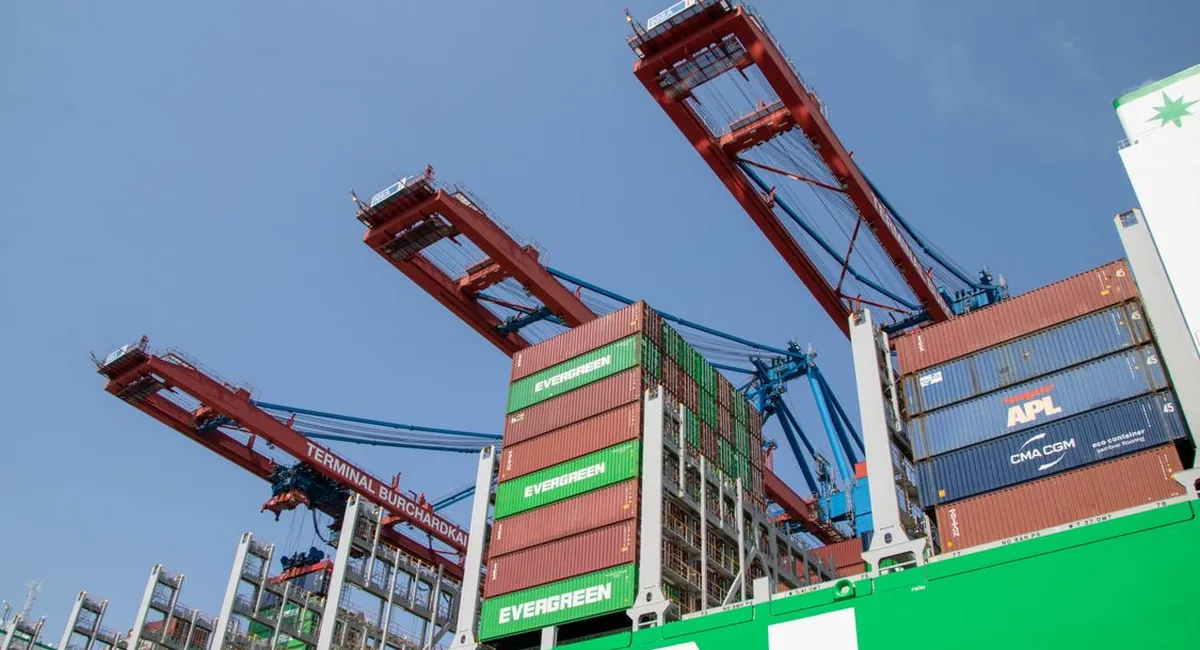
Red Flags When Choosing a Consultant Partner
Use this list as a final filter before you commit to a partner. One red flag does not always mean you must walk away, but it means you should ask more questions and get answers in writing before you pay.
- Licence, address, or bank name do not match, or the partner avoids setup and verification questions.
- Price is far below every other quotation, with no clear reason for the gap.
- Stock photos replace real product photos, samples, or warehouse evidence.
- Minimum order, lead time, or delivery date stays vague after you ask twice.
- Payment must go to an unrelated account, or payment details change without written confirmation.
- Customs, duty, freight, or handling charges are missing from the quotation.
- Fresh produce has no cold chain plan, and no plan for delay or breakdown.
- Car age, condition, inspection, or conformity checks are skipped to save time.
- Key terms stay verbal, and the partner will not put them in writing.
- References cannot be contacted, or every reference sounds vague.
If you see several red flags together, pause the order. Ask for written answers, test with a small order, or compare another partner on the same checklist. A short delay at this stage costs far less than a failed bulk shipment or a setup problem later.
Your One Page Business Establishment Scorecard
Copy this scorecard, and use it for each partner you shortlist. Score each check as pass, fail, or need more detail. Do not choose on total price alone. Choose the partner with the strongest pattern across all checks.
| Check | Question to ask | Pass, fail, or need more detail |
|---|---|---|
| Real company | Do licence, address, and bank name match? | |
| Setup help | Can this partner help me establish my business legally in Saudi Arabia? | |
| References | Can I contact two commercial buyers directly? | |
| Capacity | Can you supply my quantity, on my schedule, again next month? | |
| Minimum order | What is the minimum order for my exact product, in writing? | |
| Quality | Can I see a sample and a written specification? | |
| Cold chain | How do you keep fresh goods chilled to my door? | |
| Documents | Which documents do you provide, and which do I provide? | |
| Landed cost | What is the full landed cost, and what does it exclude? | |
| Payment | What are the payment terms, and are they in writing? | |
| Problems | What happens for short, damaged, or late delivery? |
How to Start With ProNexa
Start with a short, clear first message. A useful first message includes the business you want to establish, the product you need, the quantity per order, how often you need it, the delivery destination, and your target date. Add any grade, brand, or vehicle details that matter for your business. This helps ProNexa confirm setup help, availability, and next steps for your exact case, instead of giving a general answer that may not fit your business.
ProNexa General Trading covers grocery items supply, fresh fruits trading, fresh vegetables supply, and import and export of cars, with a focus on quality sourcing and timely delivery. Use the checklist in this guide to ask your questions, and ask ProNexa to confirm setup, stock, delivery, documents, and total cost in writing for your business. You can start from the ProNexa General Trading page, and discuss your new Saudi business with the team.
Frequently Asked Questions
How do I choose a general trading company?
Choose a general trading company by checking licence and registration, setup help, supply capacity, quality with samples, cold chain or customs handling, total landed cost, and payment terms in writing. Start with your business idea, product, quantity, and destination, compare partners on the same checklist, and test with a small first order when you can.
Can ProNexa help me start a trading business in Saudi Arabia?
Yes, ProNexa can help you start a trading business in Saudi Arabia as your consultant, by helping you understand setup, licences, trading lines, sourcing, customs documents, and delivery for your exact business. Share your business idea, product, quantity, destination, and target date, and ask ProNexa to confirm setup help, stock, documents, and total cost in writing.
What licences do I need to do business in Saudi Arabia?
The licences you need to do business in Saudi Arabia depend on your business type and trading activity, and they can include commercial registration and activity licences for your exact products. Ask ProNexa to confirm the licence route for your business in writing, and check licence number, holder name, activity, and validity through the official channel where available.
What is the minimum order for a wholesale supplier?
The minimum order for a wholesale supplier varies by product, supplier, and order type, so there is no single number that fits every case. Ask the supplier for the minimum order for your exact product in writing, and ask whether it changes for fresh produce, grocery items, or cars.
Should I order a sample before a bulk order?
Yes, order a sample or place a small test order before a bulk order when you can, because a sample shows real quality, packing, and delivery in a way photos cannot. Compare the sample with the written specification, check expiry or condition on arrival, and record any problem in writing on the same day.
How does cold chain work for fresh produce?
Cold chain works by keeping fresh produce chilled from farm or packing point to your door, without long warm gaps during storage, loading, transport, and delivery. Ask the supplier how it controls temperature at each step, what it does if a vehicle breaks down, and how it handles a quality complaint on arrival.
What documents do I need for food imports into Dubai?
The documents you need for food imports into Dubai depend on your exact product, and they can include origin documents, health documents, label details, and product registration through Dubai Municipality systems. Ask your supplier for the full document list for your product in writing, and ask who provides each document and who handles inspection if required.
What should I check before importing a car to Saudi Arabia?
Before importing a car to Saudi Arabia, check model age, drive side, condition, history, inspection, conformity, and customs documents, and confirm the current official rules for your exact case. Do not buy on price alone, because a car that fails age, condition, or conformity checks can face rejection, extra fees, or delay at customs.
How much duty and VAT apply to a car imported into Saudi Arabia?
ZATCA guidance commonly states customs duty at 5 percent of assessed value, with VAT at 15 percent calculated on value plus duty and applicable charges, but ZATCA can reassess value and commercial rules can differ from personal import rules. Confirm duty, VAT, and fees for your exact vehicle and import type with ZATCA or your customs broker before you pay.
Is it better to work with a consultant partner or do it alone?
Working with a consultant partner is better when you want help to establish your business in Saudi Arabia, with setup, sourcing, documents, and delivery under one partner. Doing it alone can work when you already know the Saudi market, suppliers, and rules for your exact product, and you can manage setup, logistics, and quality checks yourself.
How can a founder from the UK, USA or Pakistan establish a business in Saudi Arabia?
A founder from the UK, USA or Pakistan can establish a business in Saudi Arabia by sharing business idea, product, quantity, destination, and timeline with a consultant partner, and by confirming setup, export documents, shipping, inspection, and customs steps in writing. Ask who handles each step, who pays for freight and customs charges, and what happens if a shipment faces inspection or delay.
How do I get a quote from ProNexa General Trading?
You can get a quote from ProNexa General Trading by sharing your business idea, product, quantity per order, order frequency, delivery destination, and target date through the General Trading page. ProNexa covers grocery items, fresh fruits, fresh vegetables, and car import and export, and it can then confirm setup help, availability, delivery, documents, and total cost for your exact case.
Conclusion: Establish Your Business With the Right Partner
Establishing a business in Saudi Arabia is a decision about trust, setup, capacity, quality, delivery, and cost, not just about the lowest price. Use this general trading partner checklist for every partner you shortlist. Check that the company is real. Check that it can help you set up legally. Check that it can supply your quantity on time, again and again. Check quality with samples and documents. Check cold chain for fresh goods and customs documents for cars. Check total landed cost and payment terms in writing.
- Write your business idea first, then compare partners on the same basis.
- Test with a sample or a small first order when you can.
- Ask for setup help, documents, landed cost, and key terms in writing before you pay.
- Pause when several red flags appear together, and compare another partner.
- Start with a clear first message to ProNexa General Trading, with your business idea, product, quantity, destination, and date.
A careful choice at this stage saves time, money, and stress later. If you want to do business in Saudi Arabia, use this checklist, ask the questions in writing, and choose the consultant partner whose answers hold up across every check. You can start from the ProNexa General Trading page.